We are pleased to announce the PhD thesis public seminar by Ms. Azusa Miyazaki. Her research focuses on how we can design and operate local energy systems (like smart grids in a neighborhood) to be both efficient and stable, especially as we move toward a carbon-neutral society. 宮崎 梓 氏による博士論文公聴会を開催いたします。本研究は、カーボンニュートラル社会の実現に向け、地域のエネルギーシステム(スマートグリッドなど)をいかに効率よく、かつ安定して運用するかという「最適化」の課題に挑んだ重要な成果です。
Event Information / 開催概要
- Date & Time / 日時: February 9, 2026 (Mon) | 13:00 – 14:30 2026年2月9日(月) 13:00~14:30
- Venue / 場所: BASE Main Building, 3rd Floor Meeting Room BASE本館 3階 会議室
- Speaker / 発表者: Azusa Miyazaki 宮崎 梓 氏(池上 貴志 研究室)
Thesis Title / 論文題目
Research on Optimal Equipment Installation and Optimal Operation of Regional Energy Systems Considering the Provision of Flexibility (調整力提供を考慮した地域エネルギーシステムの最適設備導入および最適運用に関する研究)
🧪 High School Science Corner: How do we balance our electricity?【高校生のための科学解説】私たちの街のエネルギーをどう守る?
Electricity is unique because it must be “used the moment it is made.” This research looks at how to manage this balance at a local level. 電気は「作った瞬間に使わなければならない」という特別な性質を持っています。この研究が解決しようとしている課題を、3つのポイントで解説します。
1. Regional Energy Systems / 地域エネルギーシステム
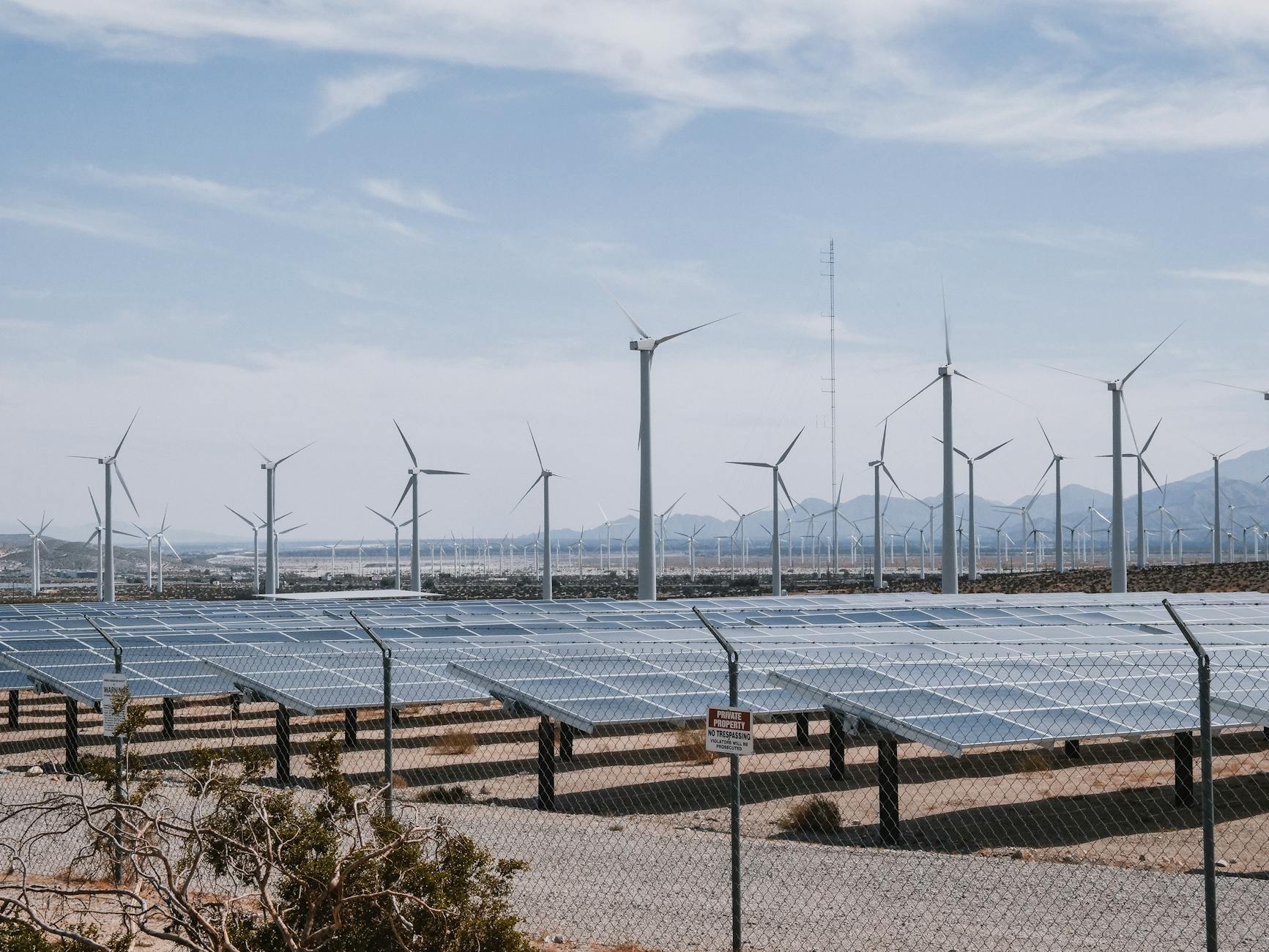
Instead of relying on one massive power plant far away, a Regional Energy System uses local resources like solar panels on houses, wind turbines, and large batteries in a specific area. It’s like a “local team” of energy sources working together. 遠くにある巨大な発電所だけに頼るのではなく、地域の住宅の太陽光パネル、風車、大きな蓄電池などをひとつのグループとしてまとめたシステムの図です。いわば、エネルギーの「地産地消」チームのようなものです。
2. Flexibility (Balancing Power) / 調整力
Solar and wind power are great, but they change depending on the weather. Flexibility is the ability of the system to quickly adjust—for example, by using a battery when the sun goes behind a cloud—to keep the electricity flow steady. J太陽光や風力はエコですが、天候によって発電量がバラバラになる弱点があります。雲で太陽が隠れた瞬間に、蓄電池や他の設備でサッと補う能力のことを調整力と呼びます。これがないと停電の原因になってしまいます。
3. Optimal Installation & Operation / 最適な導入と運用
Building too many batteries is too expensive, but building too few is risky. Researchers use mathematical models to find the “Optimal” answer: exactly how much equipment do we need, and how should we run it to save money and the environment? 蓄電池を大量に買えば安定しますが、お金がかかりすぎてしまいます。逆に少なすぎると停電が怖いです。数学を使って「コストも環境負荷も最小限にするには、どの設備をどれくらい用意し、どう動かすのが正解か?」という100点満点の答えを導き出すのが最適化の研究です。
Interested students and faculty members are encouraged to attend. 持続可能な社会システムに興味のある方は、ぜひご参加ください。