From
https://www.mirai-kougaku.jp/eco/pages/260206.php
ふん尿を“資源”として循環させる ― 乾式メタン発酵 × バイオ炭 × 飼料生産の新技術
利谷研究室では、家畜の ふん尿を環境負荷の少ない形で循環利用する技術の開発に取り組んでいます。
◆ 背景:ふん尿が抱える環境問題
日本の養豚は輸入飼料に大きく依存しています。豚が食べた飼料に含まれる アンモニウムやリンは、排泄物にも多く含まれ、適切に処理しないと 富栄養化(藻の異常増殖)を引き起こします。
現在は堆肥化や浄化が行われていますが、
- 堆肥は供給過多で使い切れない
- 浄化は燃料・エネルギーを大量消費
- 埋め立てや処理のコストが高い
といった課題があります。
◆ 研究概要:乾式メタン発酵 → バイオ炭 → 飼料生産の循環システム
利谷研究室では、以下を一体化した “資源循環型システム” を研究しています:
① 乾式メタン発酵
水分の少ないふん尿と稲わらを発酵 → メタンガスを生産(再生可能エネルギー)
② 発酵残渣を炭化 → バイオ炭
ドロッとした残渣を350–800°Cで炭化 →
アルカリ性・多孔質で、アンモニウムやリンを吸着できるバイオ炭に
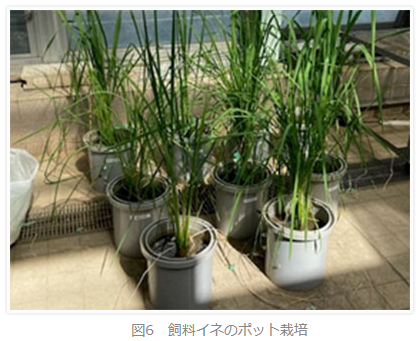
③ バイオ炭で栄養塩を回収 → 飼料イネに利用
吸着した栄養塩を、飼料用イネの肥料として再利用
→ 国産飼料の生産につながる
④ 土壌改良・温室効果ガス削減へ
バイオ炭には、土壌からのメタン・亜酸化窒素の排出を抑える効果も期待
こうした技術を組み合わせることで:
- ふん尿処理の環境負荷を削減
- 新たな再生可能エネルギー源の確保
- 国産飼料による輸入依存の緩和
- 温室効果ガス(CO₂, CH₄, N₂O)の削減
など、多方面への貢献を目指しています。
Environmentally Friendly Recycling of Livestock Waste: Dry Anaerobic Digestion, Biochar, and Feed Rice Production
The laboratory of Dr. Shohei Riya is developing environmentally friendly technologies to recycle livestock waste, focusing on pig manure and urine.
◆ Background
Livestock manure contains high levels of ammonium and phosphate, which originate from imported feed. Without proper treatment, these nutrients can cause eutrophication in rivers and coastal areas. Current composting and wastewater treatment systems are energy‑intensive and cannot fully utilize the excess compost produced.
◆ Research Overview: A Circular Resource System
The Riya Lab aims to establish a circular and sustainable system integrating:
1) Dry Anaerobic Digestion
Pig manure and rice straw are digested to produce methane gas as a renewable energy source.
2) Carbonization → Biochar
The fermentation residue is carbonized at 350–800°C to produce biochar, a porous alkaline carbon material capable of adsorbing ammonium and phosphate.
3) Nutrient Recovery → Feed Rice Production
Biochar loaded with nutrients is applied to feed rice cultivation, enabling fertilizer recycling and supporting domestic feed production.
4) Soil Improvement and Greenhouse Gas Reduction
Biochar can also suppress emissions of methane and nitrous oxide from paddy soils.
This integrated approach aims to:
- Reduce the environmental burden of livestock waste
- Produce renewable energy
- Enhance nutrient recycling
- Reduce greenhouse gas emissions
- Support local and sustainable agriculture
🎯 「一言」解説
ふん尿の“困りもの”成分を、エネルギー(メタン)と肥料(バイオ炭)に変えて、もう一度農業に戻す“サステナブルな循環”をつくる研究です!
From
https://www.mirai-kougaku.jp/eco/pages/260206.php